How Often Should You Replace an Alternator or Starter in St Paul
Most alternators last between 80,000 and 150,000 miles, and starters typically hold up for 100,000 to 150,000 miles, though driving habits and Minnesota winters can shorten both. In St Paul, where cold cranking stress is real every winter, knowing your interval matters more than waiting for a failure. Backyard Mobile Repair comes to your location, no tow needed.
Alternator and Starter Replacement Intervals by Driving Pattern
| Driving pattern | Recommended interval | Why |
|---|---|---|
| Short trips under 5 miles, mostly city driving | 80,000 to 100,000 miles | Frequent cold starts and stop-and-go cycling wear the starter sooner and prevent the alternator from fully recharging the battery |
| Mixed city and highway, moderate use | 100,000 to 130,000 miles | Balanced load keeps both components in their designed operating range longer |
| Highway-heavy, long commutes | 120,000 to 150,000 miles | Sustained RPM is easier on the starter and lets the alternator run efficiently |
| Extreme cold climate, frequent cold starts | Subtract 10,000 to 20,000 miles from any estimate above | Cold thickens oil and raises cranking resistance, putting extra strain on the starter motor every single start |
| High electrical load (aftermarket audio, lights, accessories) | 80,000 to 110,000 miles | Constant heavy draw forces the alternator to work near its output ceiling, accelerating wear on brushes and bearings |
What Happens If You Wait Too Long
A failing alternator does not just leave you stranded. It slowly drains your battery while you drive, which means the battery takes the hit first. By the time the car dies, you may need both a new alternator and a new battery. Battery replacement adds cost and time to a job that would have been straightforward if caught earlier. The same logic applies to starters. A starter that is beginning to fail often gives you warning clicks or slow cranking for weeks before it quits entirely. Ignoring those signs usually means the failure happens at the worst possible moment, a cold morning, a parking ramp, a spot where a tow is expensive and inconvenient.
How to Tell Your Alternator or Starter Is Due
- Check your mileage against the interval table above. If you are within 20,000 miles of the upper end of your range, start paying attention to the symptoms below.
- Listen at startup. A healthy starter cranks the engine quickly and cleanly. Slow cranking, a single click, or a grinding noise on startup points to a starter that is losing strength.
- Watch your dashboard voltage gauge or battery warning light. A flickering light or a gauge that dips below normal while driving is a common early sign of alternator output dropping.
- Notice your headlights. Lights that dim at idle and brighten when you rev the engine are a textbook alternator symptom. The alternator is not keeping up at low RPM.
- Test your battery before blaming it. A weak battery and a failing alternator produce similar symptoms. A load test at any auto parts store is free and takes five minutes. If the battery tests fine, the alternator is the likely culprit.
- Pay attention to electrical gremlins. Random radio resets, power window sluggishness, or interior lights that flicker can all trace back to inconsistent alternator output.
- If you notice any of these, do not wait for a full failure. A mobile mechanic can diagnose the system at your location and tell you exactly which component needs attention.
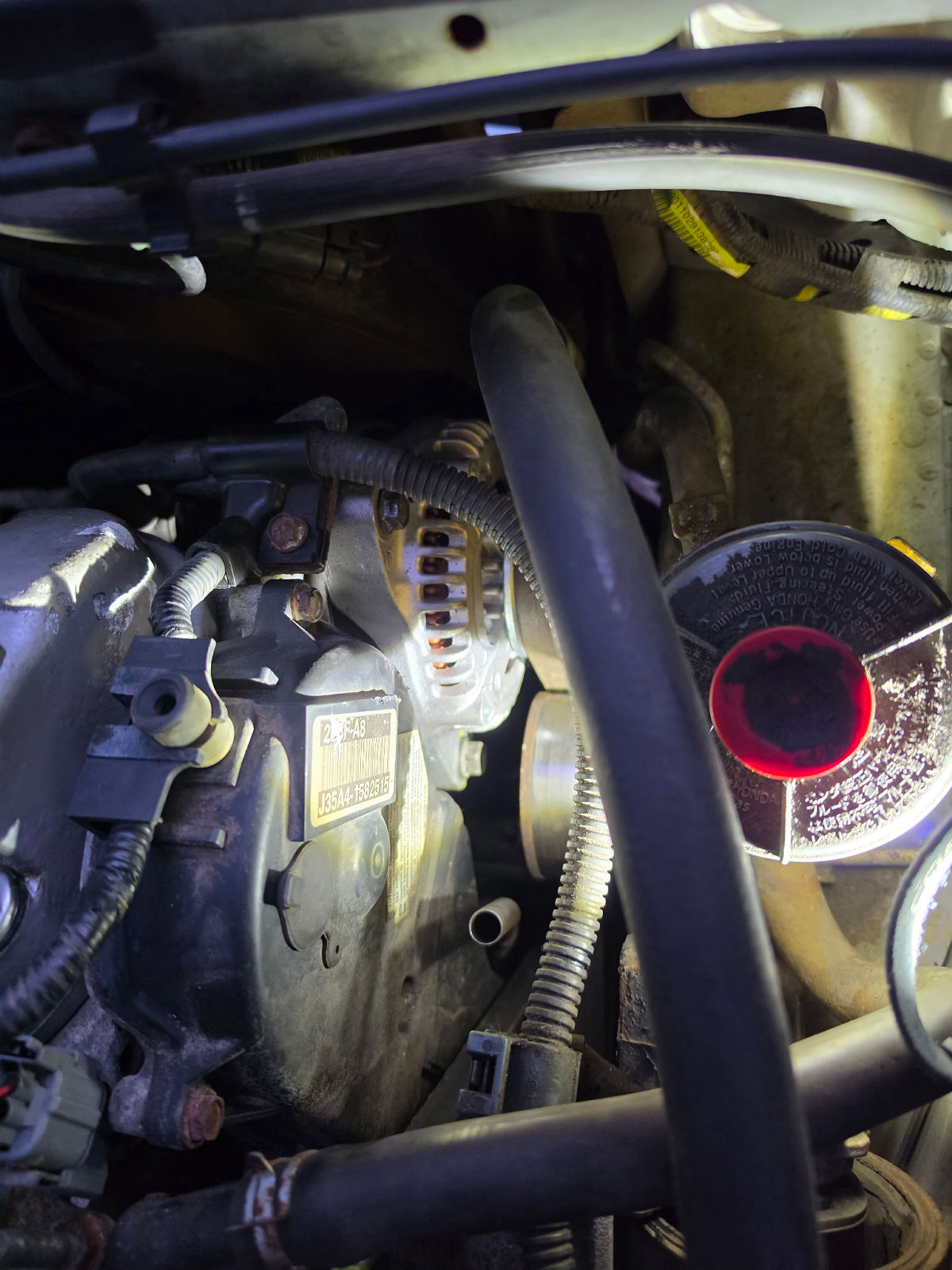
What Drives the Cost of Alternator and Starter Replacement
Parts are the biggest variable. Alternators and starters vary widely in price depending on whether you use a remanufactured unit, a new OEM part, or an aftermarket option. Remanufactured parts cost less upfront but carry shorter warranties. New OEM parts cost more and are built to the original spec. Labor time depends on the vehicle. Some alternators sit right on top of the engine and take under an hour to swap. Others are buried behind brackets, the AC compressor, or other components and take two to three hours. Starters on front-wheel-drive vehicles are often accessible from above or below, but some require partial disassembly of surrounding components. A mobile mechanic saves you the tow and the shop overhead, which affects the total you pay even when the parts cost is the same.
Cost Factors to Ask About Before You Approve the Job
| Factor | Why it matters | What to ask |
|---|---|---|
| Parts tier (remanufactured vs new OEM vs aftermarket) | Affects upfront price and how long the repair holds | Ask what tier of part is being used and what warranty comes with it |
| Labor time for your specific vehicle | Buried components take longer and cost more in labor | Ask how long the job typically takes on your year, make, and model |
| Battery condition | A failing alternator often damages the battery; replacing one without the other can mean a second call | Ask if the battery will be tested as part of the diagnosis |
| Serpentine belt condition | The belt drives the alternator; if it is worn, replacing it at the same time saves a second labor charge | Ask if the belt will be inspected during the job |
| Mobile vs shop | Mobile service eliminates tow costs and shop overhead | Ask what the total estimate includes, parts, labor, and any diagnostic fee |
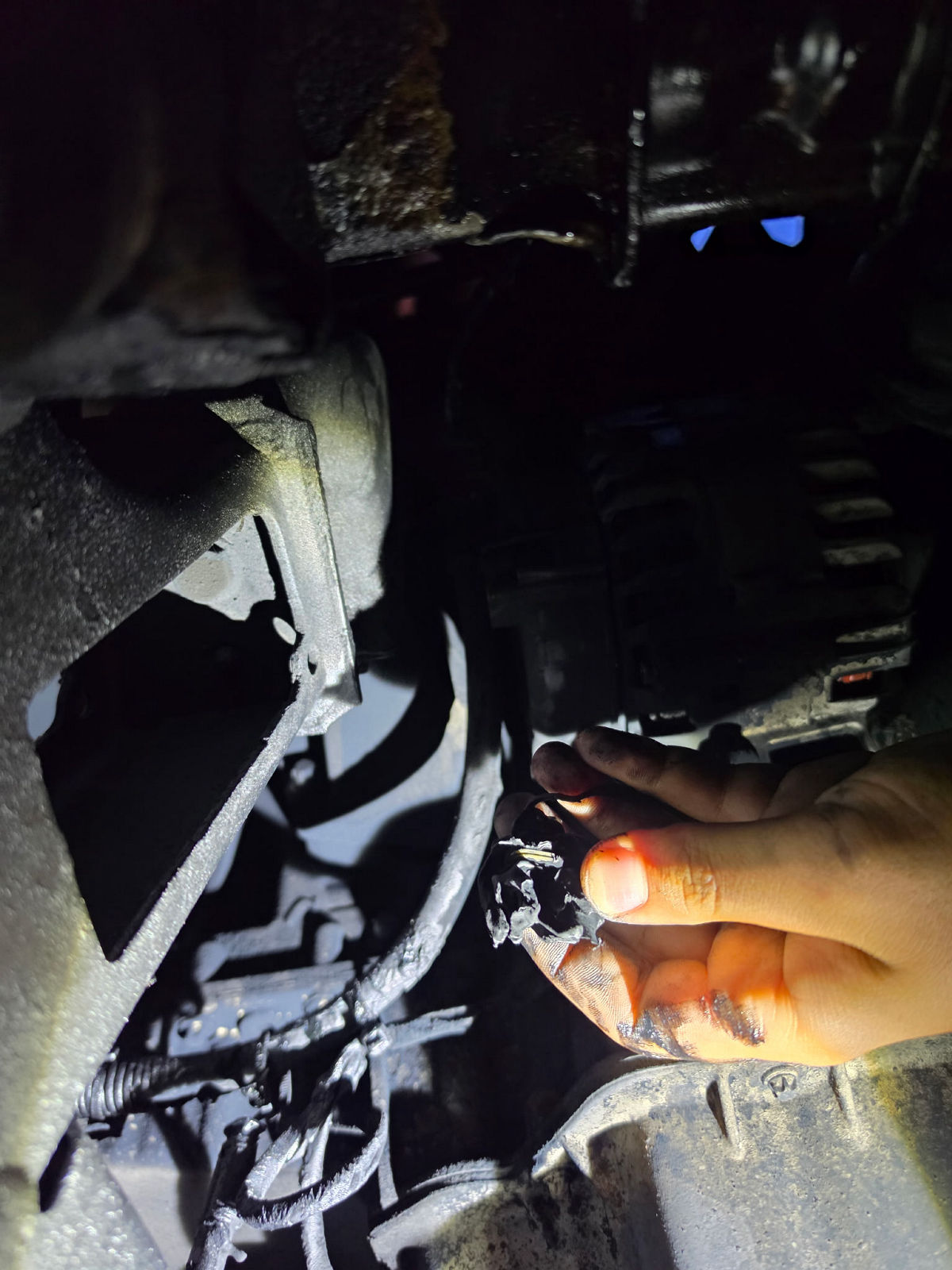
Backyard Mobile Repair handles alternators and starters as a mobile service, which means the mechanic comes to your driveway, parking lot, or workplace. You do not need to arrange a tow or sit in a waiting room. The Resource Hub has more information on the full range of services available in the area.
Key takeaways
- Alternators typically last 80,000 to 150,000 miles; starters run 100,000 to 150,000 miles under normal conditions.
- Cold climate driving and short trips shorten both intervals, so adjust your expectations accordingly.
- Slow cranking, dimming lights, and dashboard warning lights are the earliest signs that one of these components is failing.
- Waiting for a full failure often means replacing the battery too, which adds to the total cost.
- A mobile mechanic diagnoses and replaces both components at your location, no tow required.
Common questions
How do I know if my alternator or my battery is the problem?
The symptoms overlap, which is why a load test matters. If your battery tests healthy under load but your lights still dim at idle or your voltage gauge drops while driving, the alternator is the likely cause. If the battery fails the load test, replace it first and retest. A good mobile mechanic will test both before recommending a part.
Can a starter or alternator fail suddenly with no warning?
Yes, but it is less common than a gradual decline. Most failing starters give you slow or inconsistent cranking for days or weeks before they quit. Alternators often show up as electrical gremlins or a battery warning light before they stop charging entirely. Paying attention to those early signs gives you time to schedule a repair on your terms rather than getting stranded.
Is it worth replacing a starter or alternator on a high-mileage vehicle?
It depends on the overall condition of the vehicle. If the engine and transmission are solid, replacing a starter or alternator is almost always worth it. These are relatively contained repairs. The math changes if the vehicle has multiple major issues at the same time, but a single electrical component failure is rarely a reason to give up on an otherwise sound vehicle.
Schedule Mobile Alternator or Starter Repair
Find us on Google Call (651) 888-9595 anytime.
Backyard Mobile Repair - mobile mechanic serving St Paul, MN. (651) 888-9595.


Comments
Post a Comment